Wondering where to start with eco-friendly living at home? Begin with the rooms where you waste the most: kitchen, laundry, bathroom and energy use. Small swaps there add up faster than a big overhaul.
| Item | Value |
|---|---|
| Household hazardous waste Americans generate | 1.6 million tons per year |
| Possible savings on home energy bills with ENERGY STAR choices | About a third |
| Water a family of four uses | 400 gallons per day |
| Possible water and sewer savings from efficient fixtures and habits | About $170 per year |
| Products recognized by EPA’s Safer Choice | 2,500 products |
| Slow-release lawn fertilizer | No more than twice per year |
These figures come from EPA’s pollution prevention tips for the home (page last updated June 28, 2024) and EPA’s consumer information on greener products (page last updated December 18, 2020). Figures can change, so check the source before you rely on them.
Where should you start with eco-friendly living at home?
Start with what actually leaves your house: trash, water and energy. EPA says the best place to start making a difference is right in your own home, and its tips span the lawn, the cleaning cupboard and the light switches.
The scale is real. As of EPA’s page last updated June 28, 2024, Americans generate 1.6 million tons of household hazardous waste per year, according to EPA’s home pollution prevention tips.
You don’t have to fix everything at once. Pick one room, one habit and one product swap this week, then add the next. A workable order looks like this:
- Waste: compost food scraps and replace disposables with reusables.
- Cleaning and laundry: use less product, choose labeled options and dispose of leftovers properly.
- Water: check fixtures and look at how you water the yard.
- Energy: switch things off, buy efficient and look at where your power comes from.
- Shopping: buy less, buy durable and pass on what you no longer use.
Cut kitchen waste and start composting
The kitchen is where many households can shrink their disposable waste quickly. The guide on how to reduce plastic waste in the kitchen is the companion read for this section.
EPA’s waste-reduction tips point to a few habits that cost very little:
- Use food scraps, yard trimmings and other organic waste to build a compost pile.
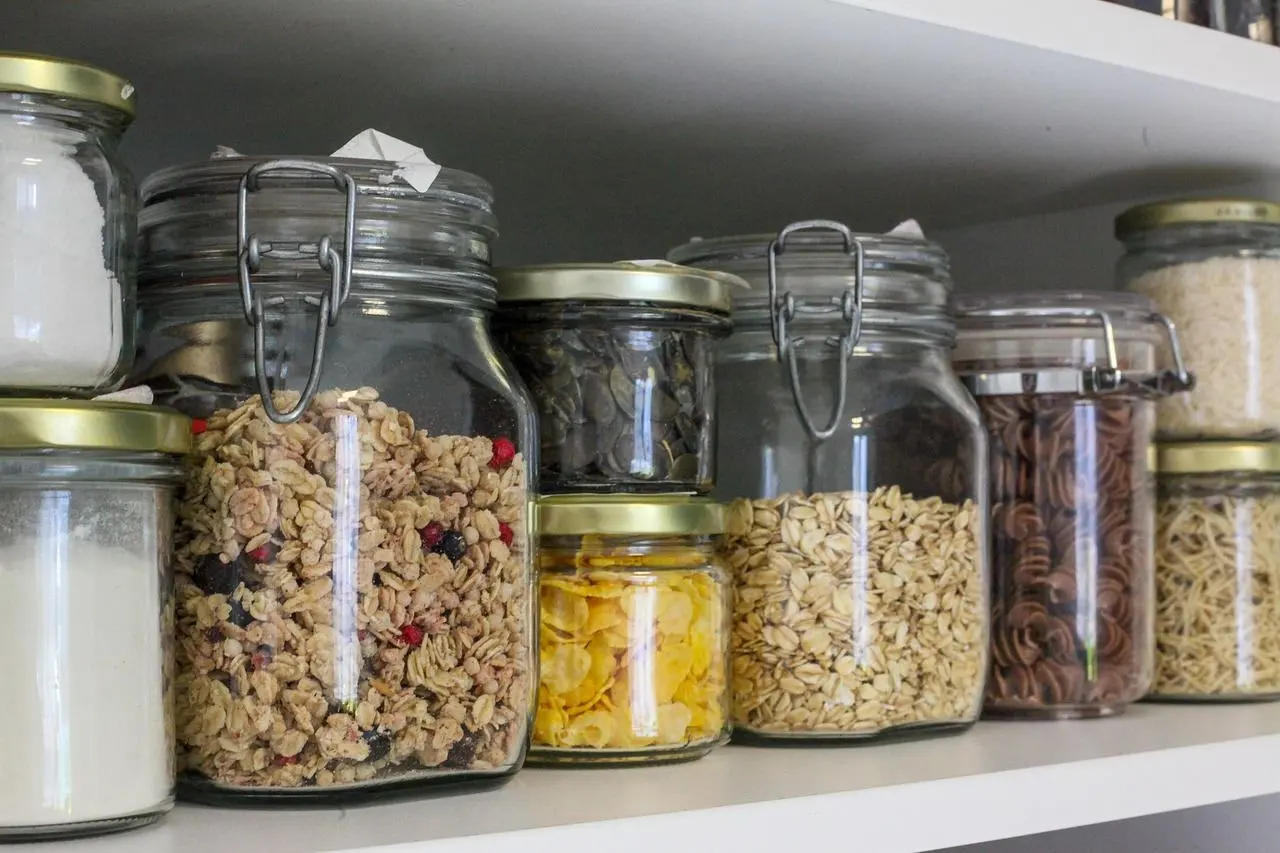
- Pack food in reusable containers instead of disposable ones.
- Buy reusable rags and sponges rather than throwaway wipes.
Those tips are laid out on EPA’s page on what you can do to reduce waste. The same page says that adding homemade compost to soil increases water retention, decreases erosion and keeps organic materials out of landfills.
If outdoor space is tight, an indoor compost bin is a way to begin without a yard heap. Choose one based on the criteria in that guide rather than on packaging claims.
For packed lunches and leftovers, reusable food storage bags can stand in for single-use ones. EPA’s lunch advice is to carry food in reusable plastic or cloth bags and drinks in a thermos, as set out in its waste-reduction tips.

Outside, grasscycling is the simplest swap. Leave clippings on the lawn after you mow, because EPA says the clippings return nutrients to the soil instead of taking up landfill space, per its home tips.
Neighbors can also share big tools. EPA suggests a sharing program for tillers, chainsaws and similar equipment, which can cut waste and save money.
Clean and wash with less product and less waste
Cleaning advice from EPA is plain: buy reusable mops, rags and sponges, use only the amount you need, and follow the bottle’s directions for use and disposal. You can read it on EPA’s reducing waste page.
When you do buy cleaners, look for a label instead of a marketing claim. As of EPA’s page last updated June 28, 2024, its Safer Choice program had recognized 2,500 products that are safer for people and the planet, according to EPA’s home tips.
The label has a standard behind it. As of an EPA page last updated December 18, 2020, Safer Choice labeled only products that met the program’s highly protective standards, per EPA’s consumer information.
A roundup of eco-friendly cleaning products compares options on stated criteria. If you prefer to make your own, the homemade all-purpose cleaner guide is the cheaper route.
Laundry is the next swap worth testing. The guide to laundry detergent sheets sets out what to check before you switch.
Leftovers need a plan too. Save them for a community household hazardous waste collection day, which EPA recommends for cleaners, paints, automotive supplies and other hazardous items, per its reducing waste page.
Save water in the bathroom and the yard
Water use adds up quietly. EPA says a family of four uses 400 gallons of water every day, in its tips for the home.
The bill matters as well. As of an EPA page last updated December 18, 2020, the average household spends as much as $500 per year on its water and sewer bill but could save about $170 per year by retrofitting with water-efficient fixtures and adopting water-saving habits, per EPA’s consumer information.
The same page recommends buying WaterSense devices to save water. The guide to the low flow showerhead is a good place to compare models against clear criteria.
The yard is the other big lever. These habits come from EPA’s home tips, apart from the mowing advice, which is on its reducing waste page:
- Mulch beds and use a soaker hose or drip system to conserve water.
- Plant drought-tolerant plants and grasses, and reduce grass-covered areas.
- Raise your mower’s cutting height in hot summer months so grass roots stay shaded and cooler.
- If you fertilize, use a slow-release type no more than twice per year.
- Read the label on any pesticide before you use it.
Use less energy and choose cleaner power
Efficient products are the biggest single lever EPA names for the home. ENERGY STAR choices can save families about a third on their home energy bills without sacrificing style or comfort, according to EPA’s home tips.
You can also look at where your power comes from. As of EPA’s page last updated June 28, 2024, the Green Power Locator helps you find green power options in your area, and the Power Profiler lets you see how your electricity is generated, as described in the same home tips.
Some of the easiest wins need no purchase at all. From EPA’s home improvement tips:
- Turn off or unplug lights during the day.
- Keep rechargeable batteries for flashlights, and if you use disposables, buy ones with low mercury content.
- Choose insulation made from recycled paper, glass and other recovered materials.
For a fuller checklist, see the guide on how to save energy at home.

Shop smarter and pass things on
Every swap above starts at the checkout. EPA’s advice is to choose carefully what you buy and how much of it you purchase, as its home tips put it.
Greener products often save money, especially over the life of the product if you pick a more durable or more efficient model, according to EPA’s consumer information. Price tags alone can mislead you, so weigh running costs and lifespan.
Things you no longer need can have a second life:
- Hold a yard sale for clothes, toys, appliances and books.
- Donate working electronics. EPA says this extends the life of valuable products and keeps them out of the waste stream longer.
- Upgrade the memory or hard drive of an old computer before replacing it.
These ideas are on EPA’s reducing waste page.
Browse the home product reviews to see how products are judged on stated criteria. Commissions never change rankings or verdicts, and no brand is presented as an official partner.
If you want the health side of your home, the home wellness section picks up there.
Frequently asked questions
Is eco-friendly living at home expensive?
Show answer
Not by default. EPA’s consumer page, last updated December 18, 2020, says greener products often save money across their whole life when they are durable or efficient. Several habits here, such as unplugging lights or borrowing tools from neighbors, cost nothing. EPA’s consumer information has the detail.
What should I do with old paint and cleaners?
Show answer
Hold them for a local collection day for household hazardous waste. EPA treats that as the route for proper disposal of cleaners, paints and automotive supplies, as noted on its reducing waste page.
Can I compost without a garden?
Show answer
Composting is about keeping food scraps and other organic waste out of landfills, and some households do it indoors with a purpose-made bin. EPA adds that finished compost improves soil, per its waste-reduction tips.
How can I tell whether a product is really greener?
Show answer
Use recognized labels as a starting point instead of marketing language. EPA’s consumer page points to ENERGY STAR for efficiency, Safer Choice for cleaning products and WaterSense for water-saving devices, as of its page last updated December 18, 2020. Details are on EPA’s consumer information.
Where do I begin if I feel overwhelmed?
Show answer
Choose a single room and a single habit. The kitchen is a sensible first target, because composting scraps and swapping disposables for reusables take little money or time. Add the next change once the first has become routine.