Worried that store-bought sprays are pricey or harsh? A homemade all-purpose cleaner needs just white vinegar, water and optional essential oil. Mix it in a spray bottle, label it, and use it on sealed, non-porous surfaces.
This guide is part of our look at eco-friendly living at home, where small swaps add up.
| Item | Value |
|---|---|
| Base recipe (Bob Vila) | 2 cups vinegar and 2 cups water |
| Bottle size | 32-ounce spray bottle |
| Optional essential oil (Bob Vila) | 10 to 12 drops |
| Diluted recipe (Greenpeace) | 1 part white vinegar to 5 parts warm water |
| Tea tree oil in that recipe | 2 drops |
| Sit time before wiping | 10 minutes |
These figures come from Bob Vila’s recipe and Greenpeace Aotearoa’s recipe. They can change, so check the sources before you rely on them.
What you need to make a homemade all-purpose cleaner
The base is white vinegar and water. Bob Vila’s recipe is a blend of just three ingredients you may already have at home, and the site says a batch costs a few cents.
- White vinegar: acidic enough to cut through stains and build-up.
- Water: warm water is used in the Greenpeace version.
- Essential oil (optional): lime, lavender or eucalyptus can mask the vinegar smell.
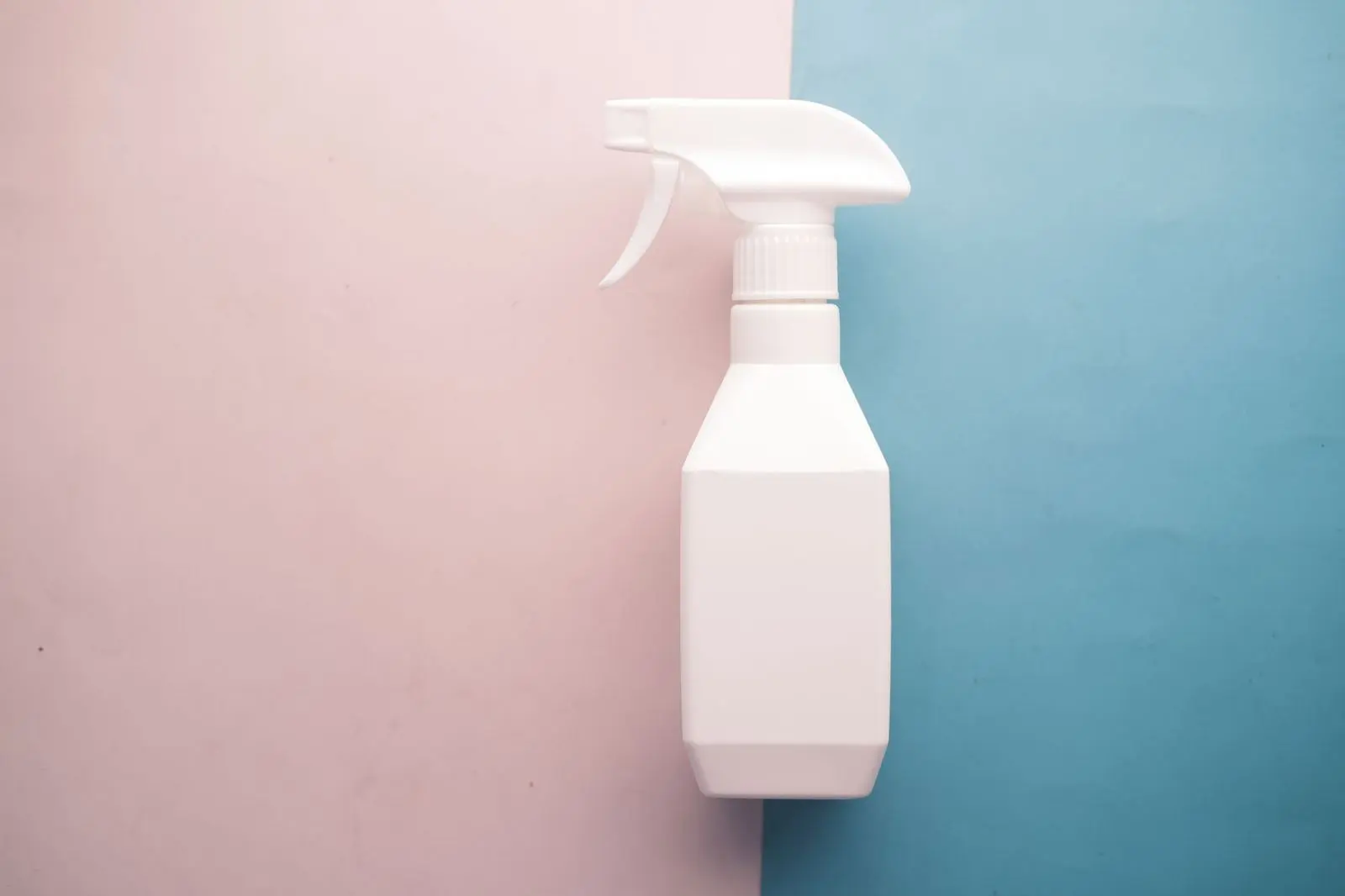
- Kit: a spray bottle, masking tape and a marker for labelling, and a microfiber cloth.
For wiping, Healthline suggests microfiber cloths, old cotton t-shirts or other reusable rags to reduce waste. That keeps paper towels out of the routine.
How to mix it, step by step
- Pour 2 cups of vinegar and 2 cups of water into a 32-ounce spray bottle, close it and shake, following Bob Vila’s method.
- If the smell bothers you, add 10 to 12 drops of essential oil in total, using up to three oils, then shake again.
- Label the bottle with tape so nobody mistakes it for something else.
- Spritz a small amount onto the surface and wipe with a microfiber cloth. Repeat if needed.
- Store the bottle somewhere cool and dry.
Prefer a lighter mix? Greenpeace combines 1 part white vinegar with 5 parts warm water and 2 drops of tea tree oil. You spray your surfaces, let the cleaner sit for 10 minutes, then wipe clean.
Which ratio should you pick?
The equal-parts mix is the stronger option, and Healthline notes that vinegar is more effective at higher concentrations. The Greenpeace version uses far less vinegar, which is easier on your nose.
A sensible approach is to start with the diluted spray for light daily wipe-downs. Switch to the stronger blend for greasy or stuck-on spots, and test either one on a hidden corner first.
Where to use it and where to avoid it
On the plus side, Bob Vila lists several jobs this spray handles well:
- Windows and mirrors, where it cuts through grime, grease and fingerprints.
- Laminate countertops, including hardened spills.
- Toilet, tub and bathroom sink porcelain.
- Glassware with hard water stains, and small appliances such as a coffee pot.
Because vinegar is acidic, the same source warns against it on several surfaces:
- Wood floors and furniture: it can strip the finish.
- Grout: vinegar can break down the sealant and leave it vulnerable.
- Electronics: acid can eat away at protective coatings on touchscreens.
- Cast iron and aluminum pots: vinegar can corrode these metals.
- Fridge door seals: wipe the interior, but skip the rubber gaskets.
Greenpeace adds a blunt rule for stone: never use vinegar on marble or granite, because it will erode the stone.
Safety rules to follow every time
Homemade does not mean harmless. Greenpeace’s safety note is worth keeping on the bottle’s shelf.
- Never mix bleach with vinegar. The reaction releases dangerous fumes, so avoid combining any commercial cleaner with DIY products.
- Protect your eyes and skin. Even natural alternatives can be irritants.
- Check oils for pets. Many essential oils, including citrus and tea tree, are toxic to cats and dogs, so ask your vet first.
- Keep it out of reach of children, even though it is an eco-friendly mix.
If you would rather buy than mix, our guide to eco-friendly cleaning products explains what to look for.
Does vinegar really clean and disinfect?
Healthline’s September 23, 2022 update cites an older 2014 study in which acetic acid (vinegar) efficiently killed M. tuberculosis after 30 minutes of exposure to a 6 percent solution. Those were lab conditions with a set concentration and contact time, so they do not transfer neatly to a spray bottle at home.
The same page cites a 2015 study finding that distilled white vinegar, club soda and tea tree oil worked against E. coli, but had to be prepared freshly each day to keep their potency. That is a good reason to mix small batches and treat this as a cleaner first, not a guaranteed disinfectant.
Homemade cleaning also fits a low-waste home, since Healthline says DIY cleaners are more environmentally friendly than most products, especially those in plastic containers. For more ways to cut packaging, read our tips on how to reduce plastic waste in the kitchen.
Frequently asked questions
Can I use this cleaner on granite countertops?
Show answer
No. Acid can damage natural stone, and both Greenpeace and Bob Vila steer you away from marble and granite. Use a stone-safe product instead.
Do I have to add essential oils?
Show answer
No, they are optional. Bob Vila offers them only as a fix if you dislike the vinegar smell, and the plain vinegar-and-water mix works without them.
Is it safe to use around pets?
Show answer
Vinegar and water alone is the simplest choice. If you add scent, look up a pet-safe oil list first, because tea tree and citrus oils can be toxic to cats and dogs.
How long does a batch last?
Show answer
The sources do not give a firm shelf life. Bob Vila says a bottle lasts quite a while when stored cool and dry, while Healthline’s cited E. coli study found some DIY mixes lost potency unless freshly made, so smaller, more frequent batches are the cautious route.