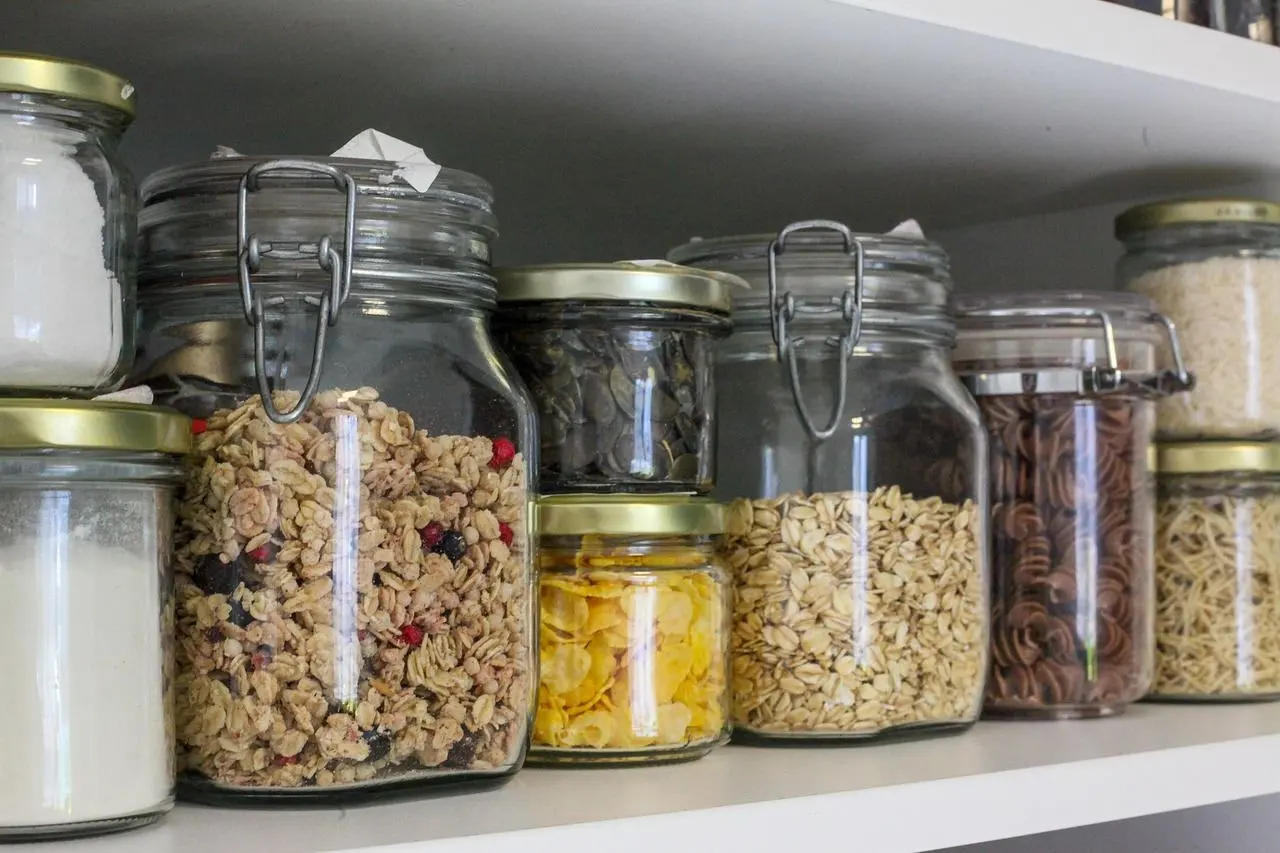
Wondering whether reusable food storage bags survive real kitchens? Silicone ones mostly do. They handle freezer, dishwasher and oven, and users report them lasting for years, but check the material label first.
This guide is part of our look at eco-friendly living at home, where small swaps add up.
| Item | Value |
|---|---|
| Estimated uses per year (Stasher’s figure) | 31 uses per year |
| Single-use bags one bag can replace over its lifetime (Stasher’s estimate) | Approximately 155 single-use plastic bags |
| BPA level reported from independent testing | Less than 0.1 ppm |
| Oven limit for Stasher silicone bags | Up to 425°F |
| Warranty on Stasher silicone bags | Lifetime guarantee |
These figures come from Stasher’s claims page and Stasher’s food-grade silicone page, so they are the maker’s own numbers. They can change, so check the sources before you rely on them.
What to look for before you buy
Bags on this site are judged on stated criteria, and no brand is presented as an official partner. This page carries no affiliate links, and the sources below are manufacturer and retailer pages, so read them as claims rather than lab results.
- Material: the label should name the actual material, not just a colour or a marketing word.
- Heat range: check the stated freezer, microwave and oven limits.
- Cleaning: look for a wide opening that is easy to wash and dry.
- Durability: a written guarantee tells you how the maker expects the bag to age.
- End of life: ask what happens when the bag is finally worn out.
If bags are one piece of a bigger plan, our guide on how to reduce plastic waste in the kitchen covers the wider picture. Once the kitchen is sorted, laundry detergent sheets are another plastic-light swap worth a look.
What reusable food storage bags are made of
Most of the bags discussed here are food-grade silicone. Grove, a retailer, says silicone is made from silica, a natural material derived from sand, and that it is more stable and less prone to chemical leaching than petroleum-based plastics.
Not every bag with “silicone” in its name is the same material. One freezer bag listing in a Homes & Gardens round-up is titled as silicone but describes itself as made from 100% food-grade PEVA, a different plastic.
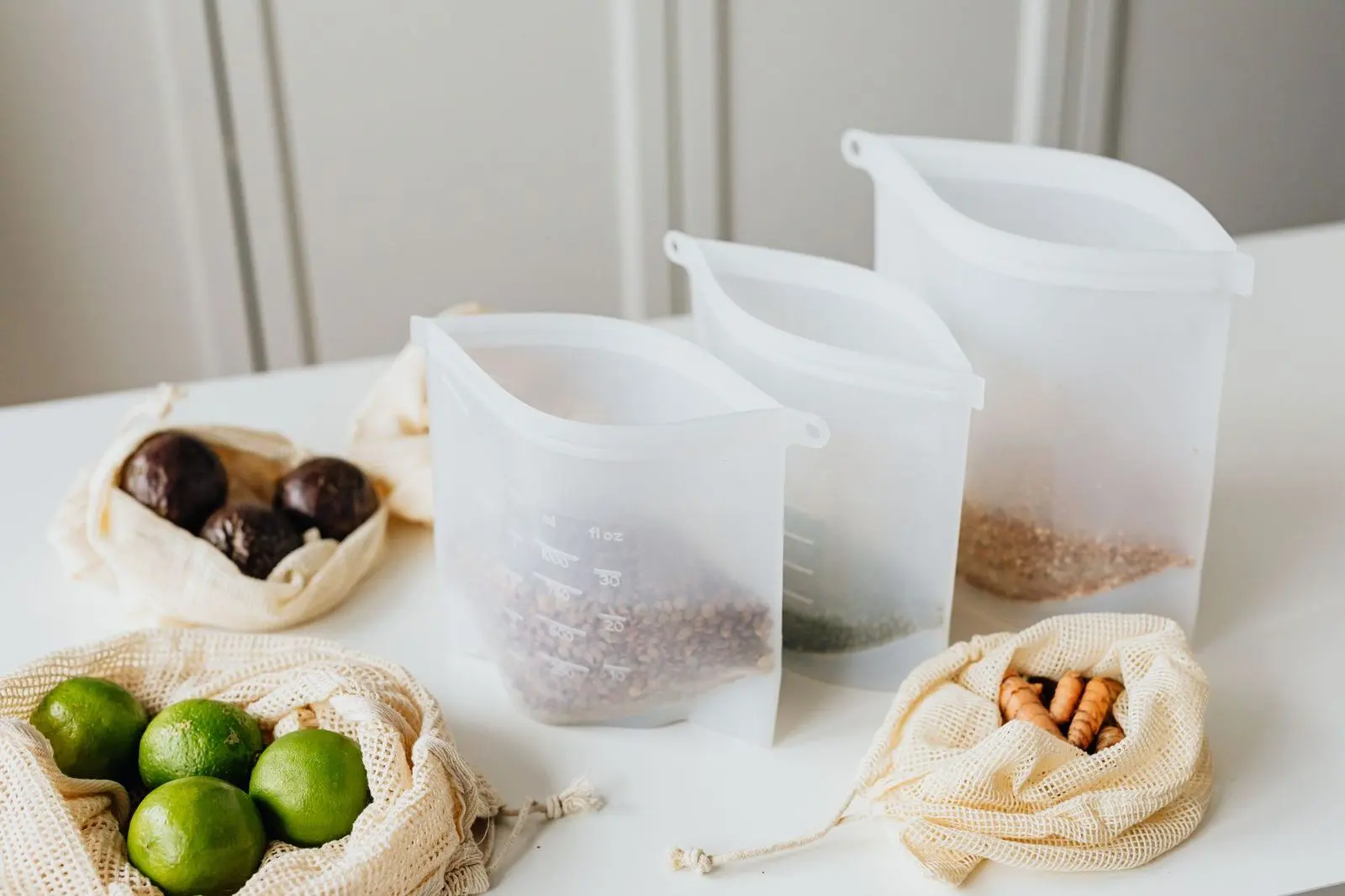
PEVA bags may still be a fair choice, but their heat limits and lifespan can differ from silicone. That is why the material line on the label matters more than the product name.
Heat, freezer and dishwasher: how they cope
Stasher says its food-grade silicone can be microwaved, baked in the oven up to 425°F, and washed in the dishwasher, according to its food-grade silicone page. The same page says the bags are safe for the freezer and for sous vide cooking.
Cleaning is where many people hesitate. A Homes & Gardens writer feared damp, collapsed bags and smells, then reported that a wider-based dishwasher-safe bag washes and dries without musty kitchen smells. That piece carries affiliate links, so treat it as one person’s opinion.
Whatever the marketing says, the Homes & Gardens advice is to read the manufacturer’s instructions on any silicone product before it goes in the dishwasher.
How long do reusable food storage bags last?
The best evidence here is the maker’s own survey. Stasher reports that customers who have used its products for more than 5 years say the bags are still in use unless damaged, as stated on its claims page. It is self-reported, so it shows promise rather than proof.
Stasher also claims that, if cared for properly, its silicone won’t harden, crack, peel or turn brittle, per its food-grade silicone page. A lifetime guarantee backs that up: damaged bags are replaced with the same product or one of equal value, and you must send a picture of the damage, per the claims page.
Using the maker’s estimate of 31 uses per year, one bag could replace approximately 155 single-use plastic bags over its lifetime, according to the same page. Your own number will depend on how often you pack lunches or freeze leftovers.
A short buying checklist
- Confirm the material on the label, and be wary of vague names.
- Match the heat limit to how you cook, such as freezer only or oven too.
- Pick a wide base or opening so washing and drying stay easy.
- Register the bag if the maker’s guarantee requires it, and keep a photo if one ever fails.
- Plan the bag’s end of life before you need it.
Plastic savings and what happens at end of life
Stasher cites research that the average consumer has 866 food storage occasions annually, with 602 being plastic and 263 of these typically relying on single-use plastic bags, per its claims page. That is a company-cited projection, not a household measurement.
Grove goes further and says switching to reusable silicone storage can cut household plastic waste by up to 40% annually, according to its silicone guide. Treat a retailer’s headline figure as a best case.
Silicone has a catch. Stasher says it does not biodegrade, and that most recycling facilities don’t accept silicone, as laid out on its food-grade silicone page. The company offers a return route through TerraCycle for damaged or worn-out bags.
Stasher itself admits that silicone replacements alone won’t fix the single-use plastic problem. Its own page calls swapping to reusables a step in the right direction, which is a fair summary.
Frequently asked questions
Are silicone storage bags safe for food?
Show answer
Stasher states that its bags are made from platinum, food-grade silicone meeting FDA and EU requirements for food contact, per its food-grade silicone page. That is a manufacturer’s statement, so look for similar material and safety information from any brand you consider.
Can I put them in the dishwasher?
Show answer
Often yes, but it depends on the brand. Homes & Gardens notes that silicone is often dishwasher-safe and tells readers to check the maker’s instructions first, in its silicone swaps guide.
Can I freeze and reheat food in them?
Show answer
For Stasher’s silicone bags, the maker says storing food, microwaving, freezing, oven use and dishwasher cleaning are all fine, per its food-grade silicone page. Other materials, such as PEVA, may follow different rules, so read their labels.
What should I do with a bag that has worn out?
Show answer
Do not assume your kerbside bin will take it. Stasher says most recycling facilities refuse silicone, but you can send a damaged or end-of-life Stasher bag back to the company, as explained on its food-grade silicone page.