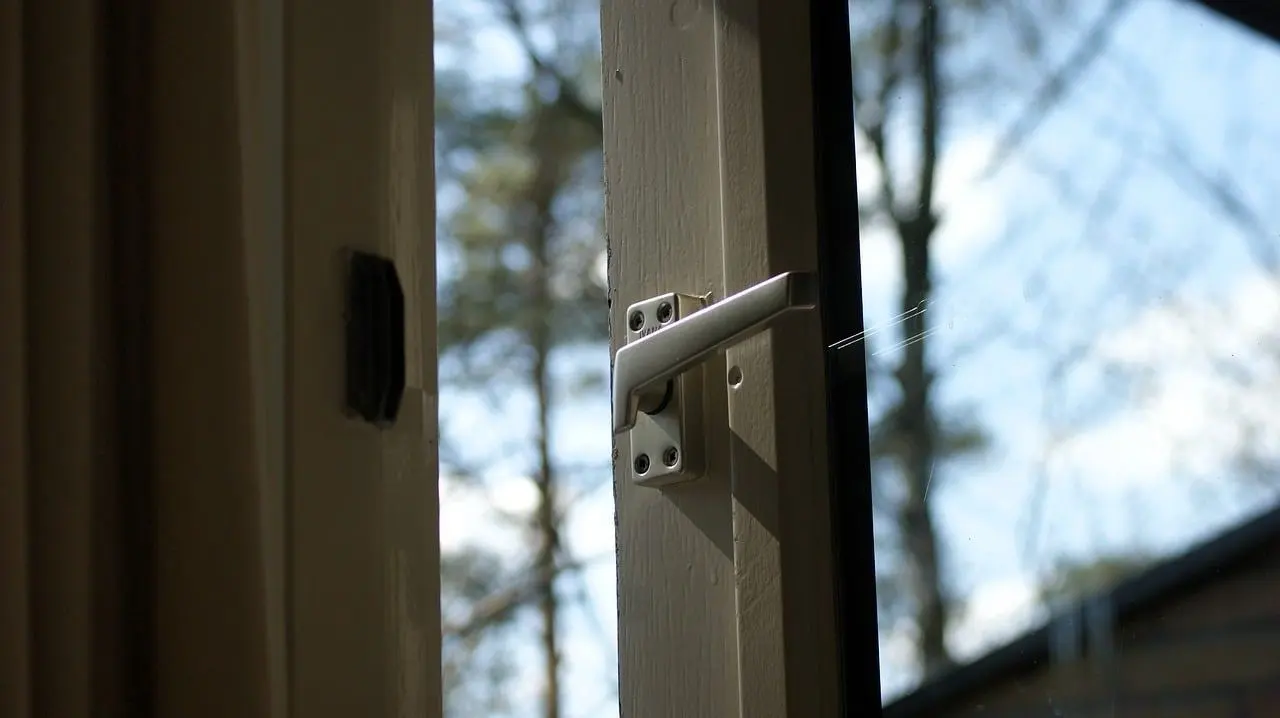
Worried that your home smells stale the moment you walk in? Here is how to get rid of musty smell in house: find the damp source, dry it, clean the mold, then keep humidity down. Air fresheners only mask it.
This guide is part of our home wellness series, which covers practical ways to make your living space healthier.
| Item | Value |
|---|---|
| Time to dry water-damaged areas and items | Within 24-48 hours |
| Humidity that encourages mold and bacteria | Over 50% |
| Suggested indoor humidity range | 30-50% |
| Minimum daily window airing | Ten minutes a day |
| HVAC filter replacement | Monthly |
These figures come from the EPA’s mold odor page and Panasonic’s musty smell guide. They can change, so check the source before you rely on them.
What makes a house smell musty?
Some molds give off strong-smelling gases called microbial volatile organic compounds, or mVOCs. The EPA says these can be the source of the musty smell tied to mold growth. A moldy smell is a cue to investigate, because it suggests mold is growing somewhere in the building.
Mold needs moisture. Bob Vila’s mildew guide notes that spores occur naturally in air and can take advantage of a spot of moisture, so even a careful cleaner can be caught off guard by a small leak. It also says mold and mildew both smell stale, musty and earthy, and the odor has been compared to wet socks or rotting wood.
You are far from alone. Bob Vila’s basement guide cites a 2019 survey by the U.S. Census Bureau and the U.S. Department of Housing and Urban Development. It found that 3.7 million of 124 million occupied households in the U.S. reported mold in the previous 12 months.
Panasonic’s guide points to a handful of usual culprits:
- Hidden mold or mildew behind walls, under sinks or around windows.
- Small leaks in plumbing or the roof.
- Humid indoor air.
- Poor ventilation in basements and attics.
- Dirty HVAC filters and ducts.
- Moisture-trapping materials such as carpet, insulation and wallpaper.
Find the source of the smell
Start with your senses. A Yahoo Lifestyle guide advises following the scent as close as you can to its origin, then looking for water damage or mold growth. Poorly ventilated, humid rooms such as basements, laundry rooms and bathrooms are the usual suspects.
Work through the house in order, using the checklists in Bob Vila’s mildew guide and the Yahoo piece:
- In the bathroom, take down the shower curtain and move toiletries so you can see grout lines and tub caulking.
- Check window frames, doors and wall corners for moisture and warping.
- Look under sinks, behind furniture and in dark corners.
- Inspect carpet, mattresses, clothing, washing machines, houseplants and the area behind the refrigerator.
- In the basement, sort through old newspapers and cardboard boxes.
If you see nothing, suspect a hidden leak. A plumbing contractor quoted by Yahoo says to watch for unusual increases in your water bill, damp spots on floors or walls, and the sound of running water when all taps are closed.
Still nothing? The same guide says it is time to test the air and surfaces. Hardware-store kits exist, but it calls a professional the best route for advanced testing.
Clean the mold and remove what holds the odor
The EPA puts it simply: the key to mold control is moisture control. Its guidance is to fix leaky plumbing or other water sources, and to dry water-damaged areas and items within 24-48 hours to prevent mold growth.
Before you scrub, put on protective gear: gloves, goggles and a mask, as Bob Vila advises. The CDC, as quoted there, cautions that mold exposure can cause a stuffy nose, wheezing and red or itchy eyes or skin. People with asthma or mold allergies may react more strongly.
What you do next depends on the material, drawing on the EPA, Bob Vila’s basement guide, Bob Vila’s mildew guide and Yahoo:
- Hard surfaces: wash off the mold with detergent and water, then dry completely.
- Fabrics and clothing: wash and dry on the hottest settings that are safe for the fabric. A vinegar wash is a test, and if the smell stays, think about throwing the item out.
- Rugs and carpet: vacuum thoroughly, then dispose of the vacuum bag or empty and clean the canister outside.
- Paper and cardboard: discard moldy or soggy boxes and papers, because mold feeds on them.
- Upholstered furniture: trash the stinky pieces, but try spot treatment on lightly affected ones.
Porous materials are the hard part. The EPA notes that absorbent materials such as ceiling tiles and carpet may have to be replaced once moldy. A restoration supervisor quoted by Yahoo warns that even if you kill the surface growth, the depths will regrow and bring the same odor right back.
Dry the air and keep humidity under control
Cleaning without drying invites a repeat. Bob Vila’s basement guide says a dehumidifier helps dry out the space but will not get rid of musty smells on its own.
Aim for the right humidity. Panasonic says humidity over 50% creates a breeding ground for mold and bacteria, and it recommends indoor levels between 30-50%. A plumbing contractor quoted by Yahoo suggests keeping it around 40%.

Fresh air helps too. Panasonic says opening windows for even ten minutes a day lets stale air escape, while a contractor in the Yahoo piece suggests 15 minutes to a half-hour every day and after showers or cooking. That guide also suggests a ceiling fan and open interior doors to keep air moving.
Run bathroom exhaust fans during and after showers, as Panasonic recommends. Keep in mind it is a ventilation maker. It also says dirty filters and ducts can spread musty smells through the home, and it recommends monthly filter replacement and annual HVAC maintenance.
For the bigger picture beyond a single smelly room, see our guide on how to improve indoor air quality.
Deodorizers that help, and fixes that only mask
Reach for deodorizers last. Bob Vila says air fresheners and room sprays are not long-term fixes, and Panasonic says candles, scented sprays and plug-ins only camouflage a musty odor.
Once the source is dealt with, these absorbers can handle a lingering smell:
- Baking soda: set out small bowls around the room, or sprinkle it on carpets or sofa cushions overnight and vacuum thoroughly.
- Activated charcoal: place it in small bowls or breathable bags inside closets.
- White vinegar: spray it on hard surfaces and wipe it away once dry.
If the smell was in the room where you sleep, our guide on how to make bedroom relaxing is a good next step once the air is fresh.
When should you call a professional?
Small problems are manageable. Bob Vila’s basement guide says you can handle a simple mildew smell and mild staining yourself, but heavy staining or decayed wood studs and drywall call for a professional trained in mold remediation.
The EPA says the health effects of inhaling mVOCs are largely unknown, though exposure has been linked to headaches, nasal irritation, dizziness, fatigue and nausea. Black mold is linked to more serious symptoms, but Bob Vila says it is far less common than the less-toxic types. This guide is general home advice, not medical advice.
Frequently asked questions
Can a dehumidifier alone get rid of a musty smell?
Show answer
Not usually. It pulls water out of the air and helps the space dry, but the mold or damp material producing the odor is still there. Clean or remove that first, then let the machine keep things dry.
Is a musty smell always a sign of mold?
Show answer
The sources lean that way. A restoration supervisor quoted by Yahoo says the smell results from mold contamination and nothing else, and the EPA says it should be investigated. Treat it as a prompt to hunt for moisture, even when you can’t see growth.
Do dirty HVAC filters make a house smell musty?
Show answer
They can. Panasonic says clogged filters and ducts push odors around the home. Regular filter changes and a yearly system check keep that from building up.
Why does the smell come back after I clean?
Show answer
Usually moisture or a porous material is still in play. A leak you haven’t found, or carpet, wood or fabric that still holds mold, will keep producing the odor. Recheck plumbing, the roof and window frames, and replace what you can’t clean.